Asuntos Tradicionalistas
 |
 |
 |
 |
 |
 |
 |
Misa dialogada - CLXIII
Después del Sillon:
El ascenso de los demagogos clericales
Hemos visto anteriormente cómo Marc Sangnier, el líder laico del Sillon, buscó obtener poder político mediante el ejercicio de sus habilidades como orador. Sería completamente apropiado aplicarle el término demagogo debido a la manera poco escrupulosa en que influyó sobre amplios sectores de la juventud católica, complaciendo sus prejuicios y pasiones, particularmente su deseo de libertad y su amor por la novedad. De especial interés fue su confusión entre religión y política.
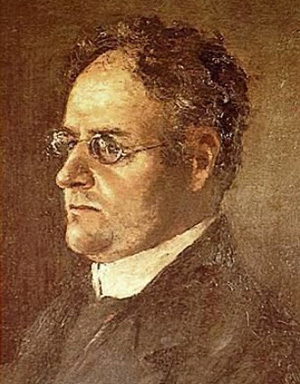
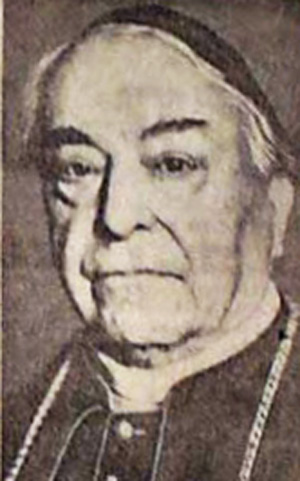 Ahora dirigiremos nuestra atención a un fenómeno aún peor que surgió a finales del siglo XIX: la aparición de grupos de sacerdotes políticamente activos, especialmente en Francia, Bélgica e Italia, que promovían medidas radicales para provocar cambios sociales y económicos, con frecuencia en alianza con los socialistas. Conocidos comúnmente como abbés démocrates por su promoción de la «Democracia Cristiana», organizaban congresos nacionales para sacerdotes, pronunciaban discursos en reuniones y publicaban sus propios periódicos semanales. Algunos incluso ocuparon cargos gubernamentales o administrativos para impulsar mejor su causa entre el pueblo. 1 Así, cohortes militantes de sacerdotes ocuparon posiciones de poder para atraer a los fieles católicos hacia la revolución social.
El Papa San Pío X enfrentó decisivamente esta amenaza al orden católico excomulgando a algunos de sus dirigentes, por ejemplo, al P. Alfred Loisy en Francia y al P. Romolo Murri en Italia. Sin embargo, una vez que San Pío X partió de esta vida, sus enseñanzas sobre el verdadero significado de la Acción Católica y sus advertencias acerca de la incursión del socialismo en la Iglesia por ese medio fueron desatendidas; peor aún, incluso fueron socavadas por sus sucesores inmediatos. En la práctica, nadie en Roma estuvo dispuesto a enfrentar y derrotar a los promotores del modernismo social como lo había hecho San Pío X.
Con el respaldo de Benedicto XV y de su Secretario de Estado, el Cardenal Gasparri, la Democracia Cristiana fue recibida nuevamente en el seno de la Iglesia, mientras que muchos líderes izquierdistas de la Acción Católica, tanto clérigos como laicos, disfrutaron de su momento de protagonismo.
Cabe señalar que uno de esos dirigentes fue Giorgio Montini, elegido al Parlamento italiano en 1919, quien inculcó a su hijo, el futuro Pablo VI, los ideales condenados del modernismo social, los cuales tuvieron efectos perjudiciales tanto para el futuro de la Iglesia como institución como para el bienestar de los Estados católicos.
Los Papas posteriores a San Pío X fueron menos capaces (¿o menos dispuestos?) a controlar la situación respecto de la actividad política del clero, con el resultado de que un número creciente de sacerdotes abandonó su vocación divinamente establecida como guías espirituales del rebaño que les había sido confiado, para inspirarse, en cambio, en hombres laicos, ya fuera Marc Sangnier o Karl Marx.
Encuentro entre las corrientes católicas y marxistas
El Movimiento Litúrgico fue lanzado por Dom Lambert Beauduin en 1909 sobre una plataforma cuasi política. Él concebía la liturgia en términos de lucha de clases, es decir, de la supuesta opresión y explotación ejercidas por una «élite aristocrática» del clero que había excluido a los laicos comunes, humildes y sin poder de desempeñar un papel activo en la liturgia.
Esta ideología de estilo marxista no solo se convirtió en el tema dominante del Movimiento Litúrgico anterior al Vaticano II, sino que también evolucionó hacia una versión del «Lay Lives Matter» y de la cultura *woke* —parafraseando un eslogan moderno— que desafía y denuncia el derecho de la Jerarquía a dar orientación moral a los fieles de acuerdo con la doctrina católica tradicional.
Beauduin utilizó la expresión «el Cuerpo Místico de Cristo» para ilustrar su ideal, pero no era más que una metáfora del antagonismo de clases propio de la ideología marxista trasladado al ámbito litúrgico. Esto, a su vez, inspiró su revolucionaria idea de vincular la liturgia de la Iglesia con el activismo social y con el ecumenismo entre las religiones.
Él resumió el camino de su propia carrera con estas reveladoras palabras: «Bajo León XIII me dediqué a la acción social; bajo San Pío X, a la liturgia; y bajo Benedicto XV, al ecumenismo». 2
Es importante observar el orden de estas etapas en la evolución de sus ideas. La acción social vino primero, tanto cronológicamente como en orden de importancia, constituyendo la base sobre la cual edificó todas sus ideas acerca de la liturgia y del ecumenismo.
Siguiendo los pasos de Beauduin, parece que los benedictinos del siglo XX que iniciaron el Movimiento Litúrgico no estaban interesados en la liturgia por sí misma, sino únicamente en la medida en que podían utilizarla para promover su agenda de cambios. Pero la idea de que un monasterio benedictino como Mont-César o Maria Laach pudiera convertirse en un centro de activismo político y en un instrumento pedagógico para introducir novedades litúrgicas era tan peligrosa como subversiva.
 En manos de los reformadores litúrgicos, la doctrina del Cuerpo Místico se convirtió en un recurso retórico de antítesis u oposición a la Iglesia Católica. Adoptó las características de un eslogan de tipo marxista para la liberación de los laicos de lo que ellos presentaban como la injusticia de una forma arbitraria y despótica de «clericalismo».
Comenzando con la iniciativa de participación activa de Dom Lambert Beauduin en favor del «culto comunitario», 3 el propósito de la liturgia fue desviado de su fin sobrenatural y convertido en un instrumento para alcanzar una reforma política. Los ritos litúrgicos pasaron a ser un símbolo de resistencia frente a la supuesta injusticia existente en la sociedad contemporánea en relación con la desigualdad de riqueza y de condición social.
Los reformadores que deseaban fomentar una revolución socialista en la Iglesia y en la sociedad —la cual sabían que era incompatible con el catolicismo— recurrían siempre a argumentos capciosos, como en el caso del Arzobispo Hélder Câmara, quien afirmó: «Mi socialismo es un socialismo especial, un socialismo que respeta a la persona humana y vuelve a los Evangelios. Mi socialismo es justicia». 4
La «Justicia Social», al final, era cualquier cosa que hiciera avanzar su agenda anticapitalista. Pero primero necesitaban un eslogan con apariencia religiosa que les otorgara credibilidad como dirigentes de la Iglesia. Precisamente aquí es donde el arte de la demagogia resulta útil para popularizar consignas que suenan bien y denunciar expresiones que no agradan a los oídos modernos, con el resultado de que, al estilo orwelliano, todo lo bueno se convierte en malo y todo lo malo se convierte en bueno.
El Cuerpo Místico y la Acción Católica
Mucho antes de que Pío XII publicara su Encíclica Mystici Corporis Christi (Sobre el Cuerpo Místico de Cristo) en 1943, el valor propagandístico del Cuerpo Místico ya era una realidad dentro del Movimiento Litúrgico, especialmente en el ámbito de la Acción Católica. El P. Louis Bouyer observó que la teología del Cuerpo Místico cobró vida propia y comenzó a florecer cuando entró en contacto con la Acción Católica, y que ejerció una influencia particularmente importante en el Movimiento de los Sacerdotes Obreros franceses de la década de 1950. 5 En otras palabras, se politizó entre quienes pretendían introducir cambios revolucionarios no solo en la Iglesia, sino también en las estructuras sociales y económicas.
Pronto quedará claro, a medida que expongamos la obra de las principales figuras del Movimiento Litúrgico, que su interés por la liturgia de la Iglesia estaba motivado principalmente por el potencial que veían en ella para movilizar a la población católica en favor de causas sociales y políticas.
Más adelante veremos cómo el discípulo de Beauduin, Dom Virgil Michel, llevó este enfoque a los Estados Unidos cuando inició la versión estadounidense del Movimiento Litúrgico.
Estas ideas eran predominantemente de orientación izquierdista, antiautoritarias, anticlericales y anticapitalistas, e incluían la lucha de clases de los trabajadores contra sus empleadores, de los pobres contra los ricos, de los débiles contra los poderosos, etc. Hoy este movimiento de marxismo cultural sería considerado un ejemplo de la cultura «woke».
Continuará ...

Arriba, el P. Romolo Murri, condenado por San Pío X; abajo, el Card. Pietro Gasparri alentó a los líderes izquierdistas de la Acción Católica
El Papa San Pío X enfrentó decisivamente esta amenaza al orden católico excomulgando a algunos de sus dirigentes, por ejemplo, al P. Alfred Loisy en Francia y al P. Romolo Murri en Italia. Sin embargo, una vez que San Pío X partió de esta vida, sus enseñanzas sobre el verdadero significado de la Acción Católica y sus advertencias acerca de la incursión del socialismo en la Iglesia por ese medio fueron desatendidas; peor aún, incluso fueron socavadas por sus sucesores inmediatos. En la práctica, nadie en Roma estuvo dispuesto a enfrentar y derrotar a los promotores del modernismo social como lo había hecho San Pío X.
Con el respaldo de Benedicto XV y de su Secretario de Estado, el Cardenal Gasparri, la Democracia Cristiana fue recibida nuevamente en el seno de la Iglesia, mientras que muchos líderes izquierdistas de la Acción Católica, tanto clérigos como laicos, disfrutaron de su momento de protagonismo.
Cabe señalar que uno de esos dirigentes fue Giorgio Montini, elegido al Parlamento italiano en 1919, quien inculcó a su hijo, el futuro Pablo VI, los ideales condenados del modernismo social, los cuales tuvieron efectos perjudiciales tanto para el futuro de la Iglesia como institución como para el bienestar de los Estados católicos.
Los Papas posteriores a San Pío X fueron menos capaces (¿o menos dispuestos?) a controlar la situación respecto de la actividad política del clero, con el resultado de que un número creciente de sacerdotes abandonó su vocación divinamente establecida como guías espirituales del rebaño que les había sido confiado, para inspirarse, en cambio, en hombres laicos, ya fuera Marc Sangnier o Karl Marx.
Encuentro entre las corrientes católicas y marxistas
El Movimiento Litúrgico fue lanzado por Dom Lambert Beauduin en 1909 sobre una plataforma cuasi política. Él concebía la liturgia en términos de lucha de clases, es decir, de la supuesta opresión y explotación ejercidas por una «élite aristocrática» del clero que había excluido a los laicos comunes, humildes y sin poder de desempeñar un papel activo en la liturgia.
Esta ideología de estilo marxista no solo se convirtió en el tema dominante del Movimiento Litúrgico anterior al Vaticano II, sino que también evolucionó hacia una versión del «Lay Lives Matter» y de la cultura *woke* —parafraseando un eslogan moderno— que desafía y denuncia el derecho de la Jerarquía a dar orientación moral a los fieles de acuerdo con la doctrina católica tradicional.
Beauduin utilizó la expresión «el Cuerpo Místico de Cristo» para ilustrar su ideal, pero no era más que una metáfora del antagonismo de clases propio de la ideología marxista trasladado al ámbito litúrgico. Esto, a su vez, inspiró su revolucionaria idea de vincular la liturgia de la Iglesia con el activismo social y con el ecumenismo entre las religiones.
Él resumió el camino de su propia carrera con estas reveladoras palabras: «Bajo León XIII me dediqué a la acción social; bajo San Pío X, a la liturgia; y bajo Benedicto XV, al ecumenismo». 2
Es importante observar el orden de estas etapas en la evolución de sus ideas. La acción social vino primero, tanto cronológicamente como en orden de importancia, constituyendo la base sobre la cual edificó todas sus ideas acerca de la liturgia y del ecumenismo.
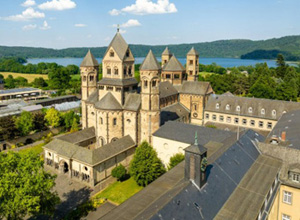
Siguiendo los pasos de Beauduin, parece que los benedictinos del siglo XX que iniciaron el Movimiento Litúrgico no estaban interesados en la liturgia por sí misma, sino únicamente en la medida en que podían utilizarla para promover su agenda de cambios. Pero la idea de que un monasterio benedictino como Mont-César o Maria Laach pudiera convertirse en un centro de activismo político y en un instrumento pedagógico para introducir novedades litúrgicas era tan peligrosa como subversiva.
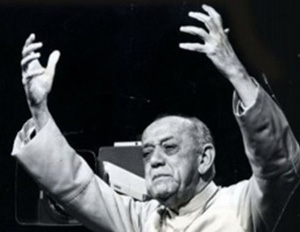
Arriba, la Abadía de Maria Laach, Alemania, centro de las reformas litúrgicas; abajo, Mons. Hélder Câmara, un demagogo socialista
Comenzando con la iniciativa de participación activa de Dom Lambert Beauduin en favor del «culto comunitario», 3 el propósito de la liturgia fue desviado de su fin sobrenatural y convertido en un instrumento para alcanzar una reforma política. Los ritos litúrgicos pasaron a ser un símbolo de resistencia frente a la supuesta injusticia existente en la sociedad contemporánea en relación con la desigualdad de riqueza y de condición social.
Los reformadores que deseaban fomentar una revolución socialista en la Iglesia y en la sociedad —la cual sabían que era incompatible con el catolicismo— recurrían siempre a argumentos capciosos, como en el caso del Arzobispo Hélder Câmara, quien afirmó: «Mi socialismo es un socialismo especial, un socialismo que respeta a la persona humana y vuelve a los Evangelios. Mi socialismo es justicia». 4
La «Justicia Social», al final, era cualquier cosa que hiciera avanzar su agenda anticapitalista. Pero primero necesitaban un eslogan con apariencia religiosa que les otorgara credibilidad como dirigentes de la Iglesia. Precisamente aquí es donde el arte de la demagogia resulta útil para popularizar consignas que suenan bien y denunciar expresiones que no agradan a los oídos modernos, con el resultado de que, al estilo orwelliano, todo lo bueno se convierte en malo y todo lo malo se convierte en bueno.
El Cuerpo Místico y la Acción Católica
Mucho antes de que Pío XII publicara su Encíclica Mystici Corporis Christi (Sobre el Cuerpo Místico de Cristo) en 1943, el valor propagandístico del Cuerpo Místico ya era una realidad dentro del Movimiento Litúrgico, especialmente en el ámbito de la Acción Católica. El P. Louis Bouyer observó que la teología del Cuerpo Místico cobró vida propia y comenzó a florecer cuando entró en contacto con la Acción Católica, y que ejerció una influencia particularmente importante en el Movimiento de los Sacerdotes Obreros franceses de la década de 1950. 5 En otras palabras, se politizó entre quienes pretendían introducir cambios revolucionarios no solo en la Iglesia, sino también en las estructuras sociales y económicas.
Pronto quedará claro, a medida que expongamos la obra de las principales figuras del Movimiento Litúrgico, que su interés por la liturgia de la Iglesia estaba motivado principalmente por el potencial que veían en ella para movilizar a la población católica en favor de causas sociales y políticas.
Más adelante veremos cómo el discípulo de Beauduin, Dom Virgil Michel, llevó este enfoque a los Estados Unidos cuando inició la versión estadounidense del Movimiento Litúrgico.
Estas ideas eran predominantemente de orientación izquierdista, antiautoritarias, anticlericales y anticapitalistas, e incluían la lucha de clases de los trabajadores contra sus empleadores, de los pobres contra los ricos, de los débiles contra los poderosos, etc. Hoy este movimiento de marxismo cultural sería considerado un ejemplo de la cultura «woke».
Continuará ...
- Robert Byrnes, «Los demócratas cristianos franceses en la década de 1890: Su aparición y su fracaso», The Catholic Historical Review, vol. 36, n. 3, octubre de 1950.
- Albert Verdoodt, Les colloquies œcuméniques de Chevetogne (1942-1983) et la réception par l’Eglise catholique des charismes d’autres communions chrétiennes (Las conferencias ecuménicas de Chevetogne (1942-1983) y la acogida por parte de la Iglesia Católica de los carismas de otras comunidades cristianas), Chevetogne: Éditions de Chevetogne, 1986, p. 39.
- Véanse los volúmenes 1 y 2 de esta serie.
- Oriana Fallaci, Interview with History, Londres: Michael Joseph, 1976, p. 297.
- Louis Bouyer, «Où en est la théologie du corps mystique?» (¿Cuál es la situación actual de la teología del Cuerpo Místico?), Revue des Sciences Religieuses, vol. 22, 1948, p. 323.
Publicado el 16 de julio de 2026


______________________
______________________
 Volume I |
 Volume II |
 Volume III |
 Volume IV |
 Volume V |
 Volume VI |
 Volume VII |
 Volume VIII |
 Volume IX |
 Volume X |
 Volume XI |
 Special Edition |


